
Long Layers
Long hair with many layers to add movement and body.
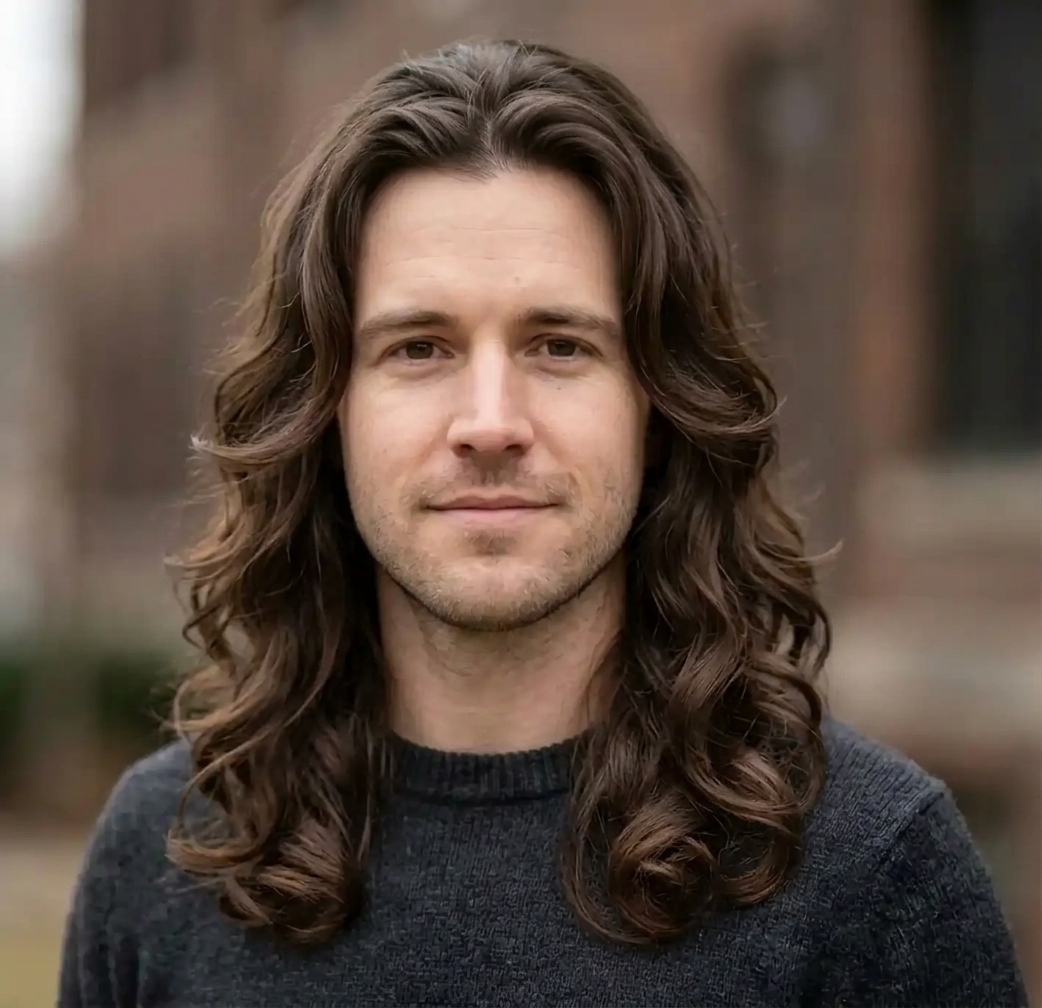
Upload a photo, see yourself with this cut.
Soft, flowing waves combined with long layers and tapered sections around the face for movement.
See the Face-Framing Waves for women, or browse the 2026 men's haircut trends.
Suits long hair with natural wave or curl potential, across most face shapes thanks to the customizable face-framing. Works on medium to thick density where layers add movement without thinning the ends, and flatters longer or square faces by softening the perimeter. Best for those happy to wave or diffuse hair and keep up regular trims.
Keep overall length long and add long, soft internal layers starting below the cheekbone for movement, leaving the ends full. Cut tapered face-framing pieces beginning at the cheekbone and lengthening down past the jaw so they blend into the layers. Encourage natural waves with a diffuser or a loose iron bend. Finish with a light wave cream or sea-salt spray for soft, flowing texture.
Trim every 8 to 10 weeks to keep the layers and tapered framing from growing heavy or blunt. Daily, enhance waves with a diffuser or quick iron and apply a light wave cream or salt spray; air-drying with product works for wavier textures.
Usually at the cheekbone, lengthening down past the jaw, so the shortest pieces highlight the cheekbones and the taper blends smoothly into the long layers.
Cut correctly, no. Keeping the internal layers long and the ends full adds movement without removing density, so the perimeter stays thick while the surface flows.
Prep with a light wave cream or salt spray, then diffuse or bend with an iron and let sections cool before touching, which sets the wave so it holds longer.
Yes, though straight hair needs a curling iron or wand to create the waves; the long layers and tapered framing still give shape and movement once styled.
Explore a few similar looks you can try next.
Long hair with many layers to add movement and body.
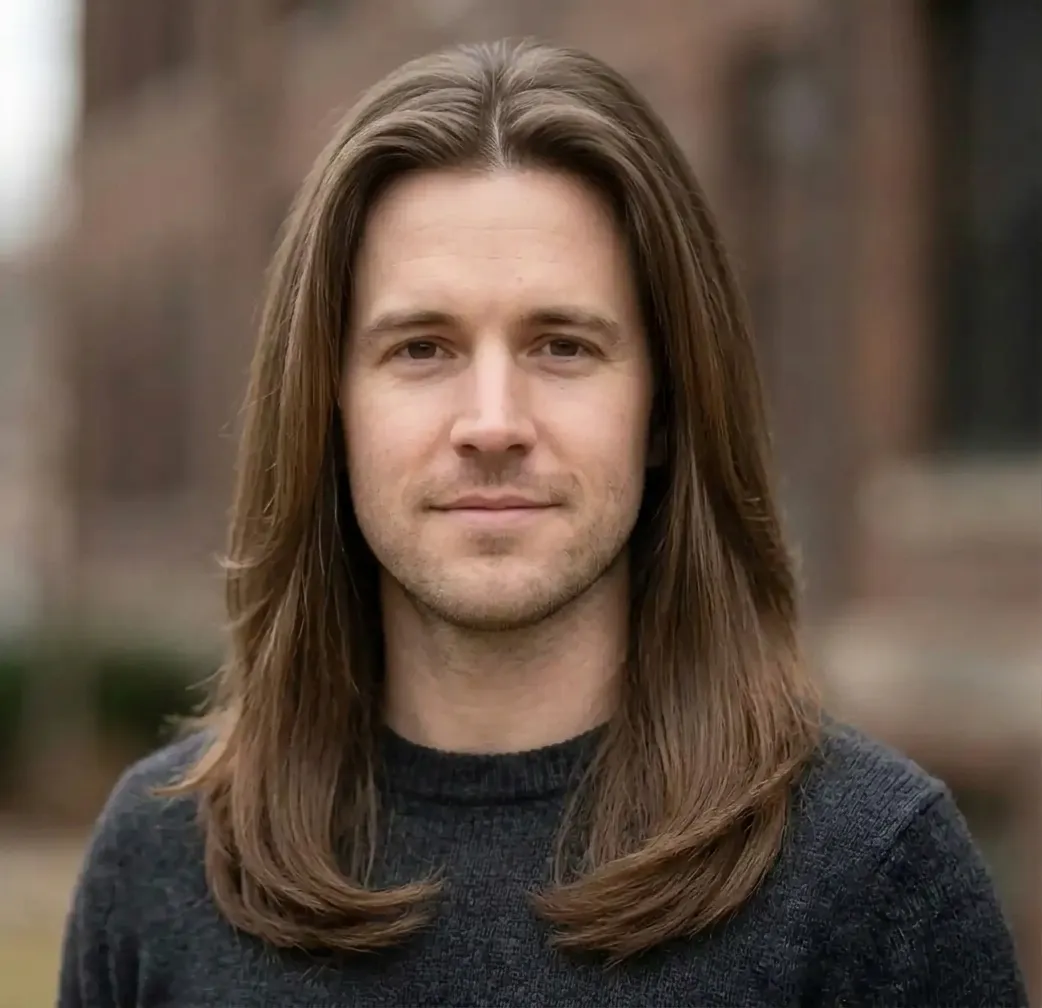
A classic long straight cut styled with significant root lift and softly beveled ends for a polished, voluminous finish.
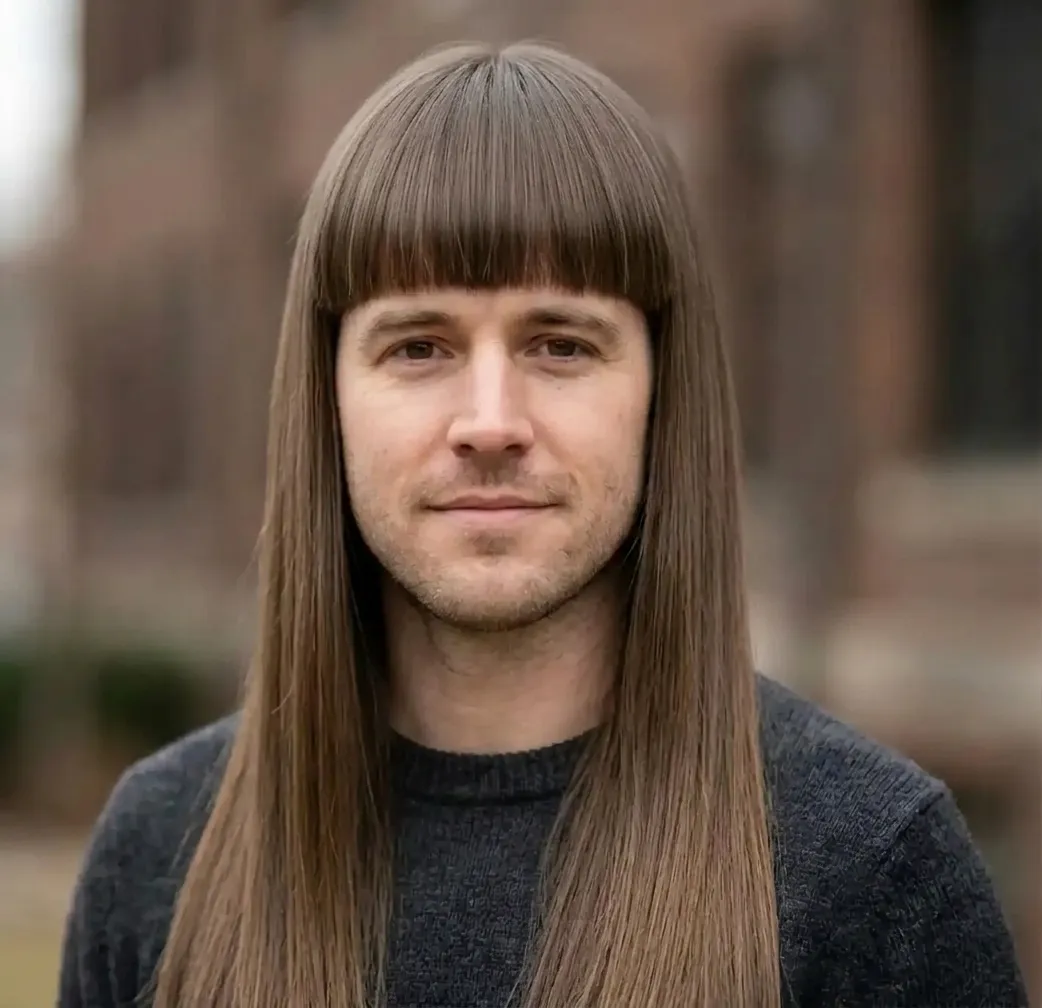
A sleek, long cut featuring a heavy eye-grazing blunt fringe that creates a sharp, graphic horizontal line across the forehead.
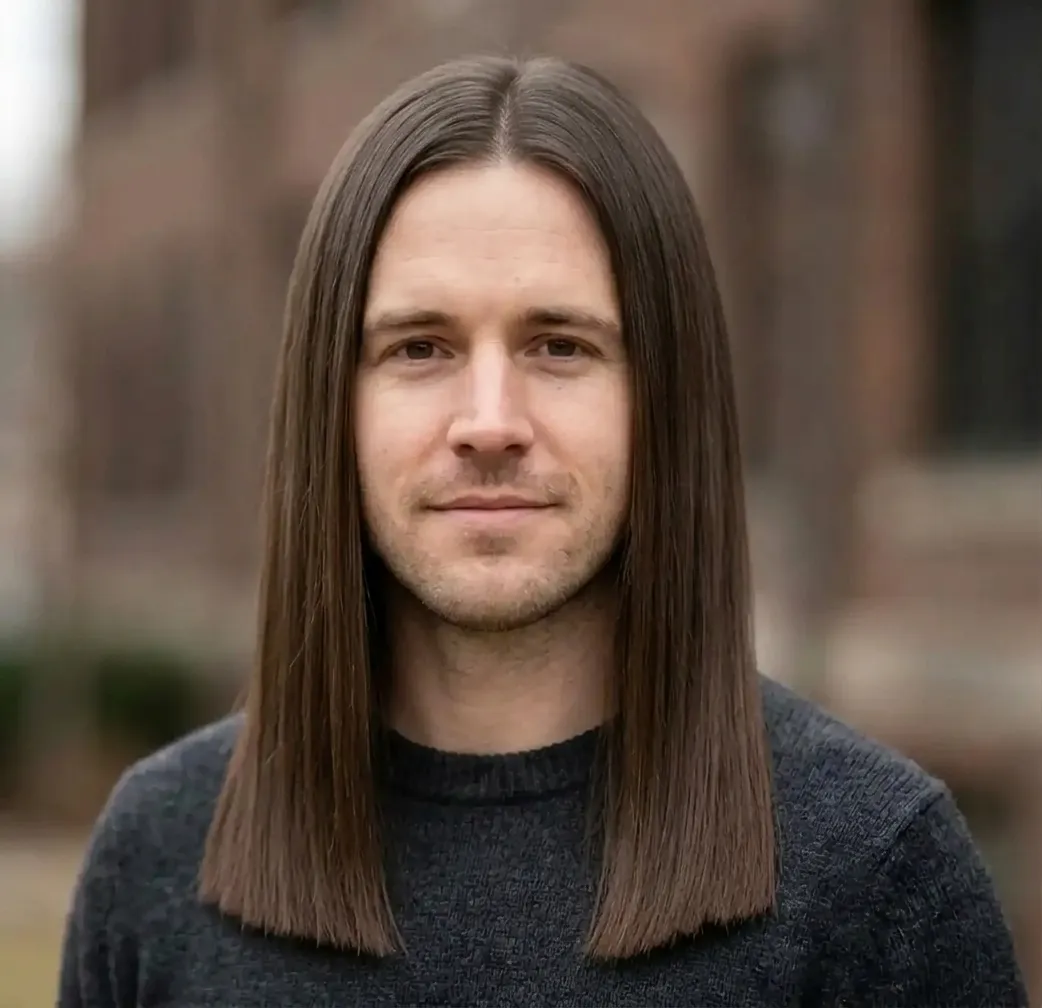
Long, uniform straight hair with sharp, clean ends for a minimalist aesthetic.